In the end, you can restore the skin barrier on your face in three straightforward steps: put an end to what is irritating it, maintain hydration and put some protection on it each day. But if your face has taken to being stinging, tight or flaky, or is oddly shiny yet dry and reactive all of a sudden, you would do well to consult the Australian Government’s health information on the subject for a start. In short though, pare back your routine and allow the skin barrier to have a respite from having to work so hard.
People with skin barrier problems are prone to wanting to put more products on in a hurry to put right the trouble, but that is where I see them go wrong. I am Rhys Richardson and one could say it is like trying to make it with a full coffee on a rattly train in Sydney. More often than not a damaged barrier will mend with something as unexciting as a consistent routine; there is no need to pack the bathroom shelf like sardines.
The Barrier And What It Does
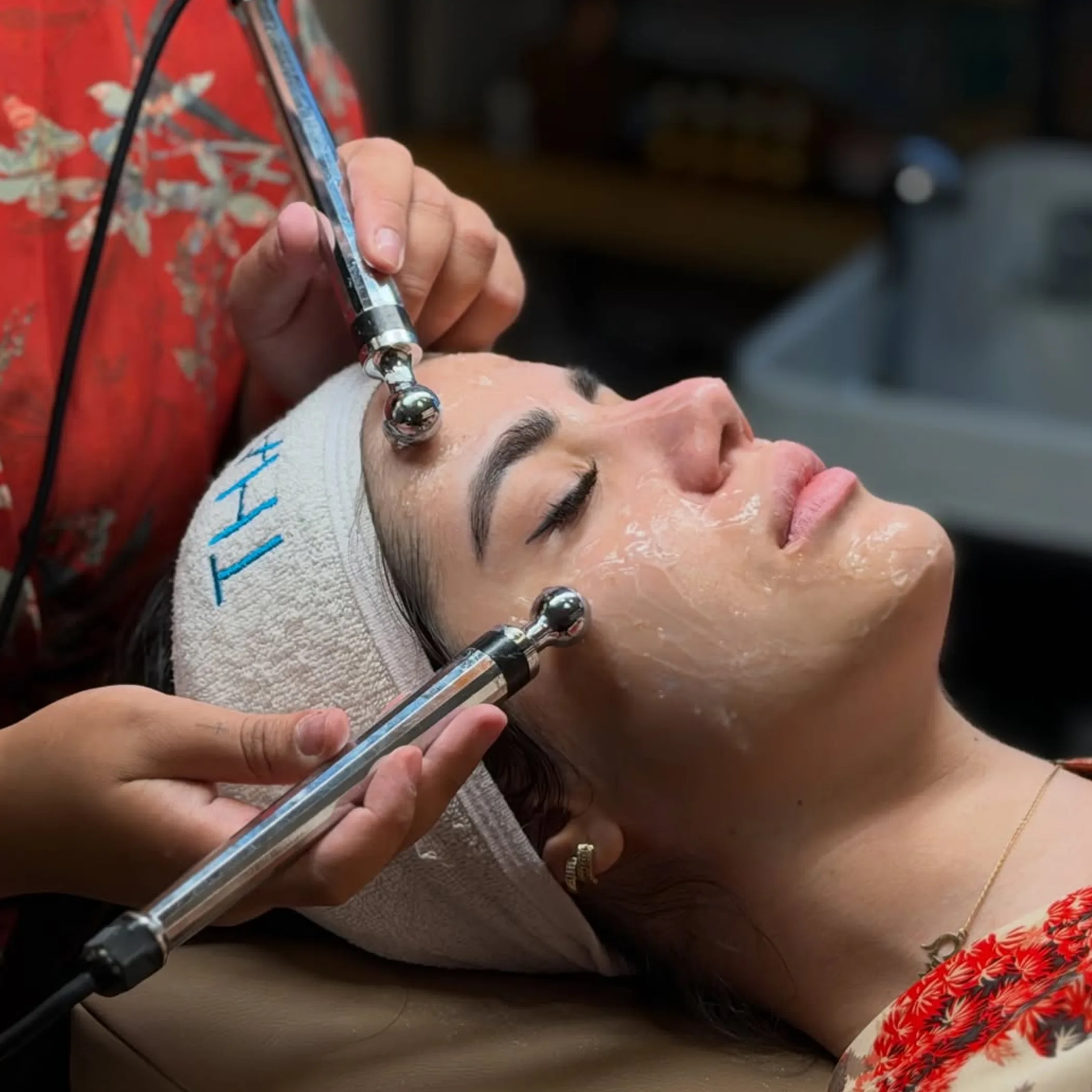
As the skin’s outermost layer of defence, the barrier is there to hold water in and keep irritants at bay so that inflammation does not get going at the drop of a hat, be it a change in the weather or because you have over-cleansed or thought an exfoliating acid was harmless.
Consider it a brick wall. You have the skin cells for the bricks and lipids (ceramides, cholesterol, fatty acids) for the mortar. Should that structure be in any way compromised, water is apt to seep out and you will find your face is more reactive. Hence repairing the facial skin barrier is not so much about “active” results as it is about putting the basics back in order.
The Day To Day Of It
With a sound skin barrier things are predictable and calm. There is no stinging from products, no hot, irritated feeling post-wash and your complexion will not veer from oily to parched.
Once the barrier is upset however, even good quality products can feel rough. As Cleveland Clinic and Healthline will tell you, impairment means increased sensitivity and irritation. One does not necessarily see a rash but a face that has ceased to cope.
Warning Signs
You will know when the skin barrier is in poor shape if you look for it. The problem is most put it down to acne or dehydration, or think they should be exfoliating, which is akin to seeing smoke and looking for a match.
Symptoms tend to run together rather than in isolation, so a checklist is of use. Some will present with burning and flakes, others oiliness and tightness. Look for:
- Redness or blotchiness
- Stinging on application of a product
- Tightness once you have cleansed
- Flaking or peeling and rough patches
- Breakouts of a dry nature
- Something you were fine with before now causes a reaction
- A dehydrated feel despite the shine
The Appearance Of Damage
A face with a damaged barrier will show it. Dull and uneven, perhaps red about the nose and cheeks and crinkly when it is dry. In more pronounced instances it can be inflamed and patchy.
Folks are quick to think a flaky face calls for stronger exfoliation. If it is also stinging or goes red with the best will in the world, you may be dealing with a damaged barrier and not dead skin.
What Is Behind It
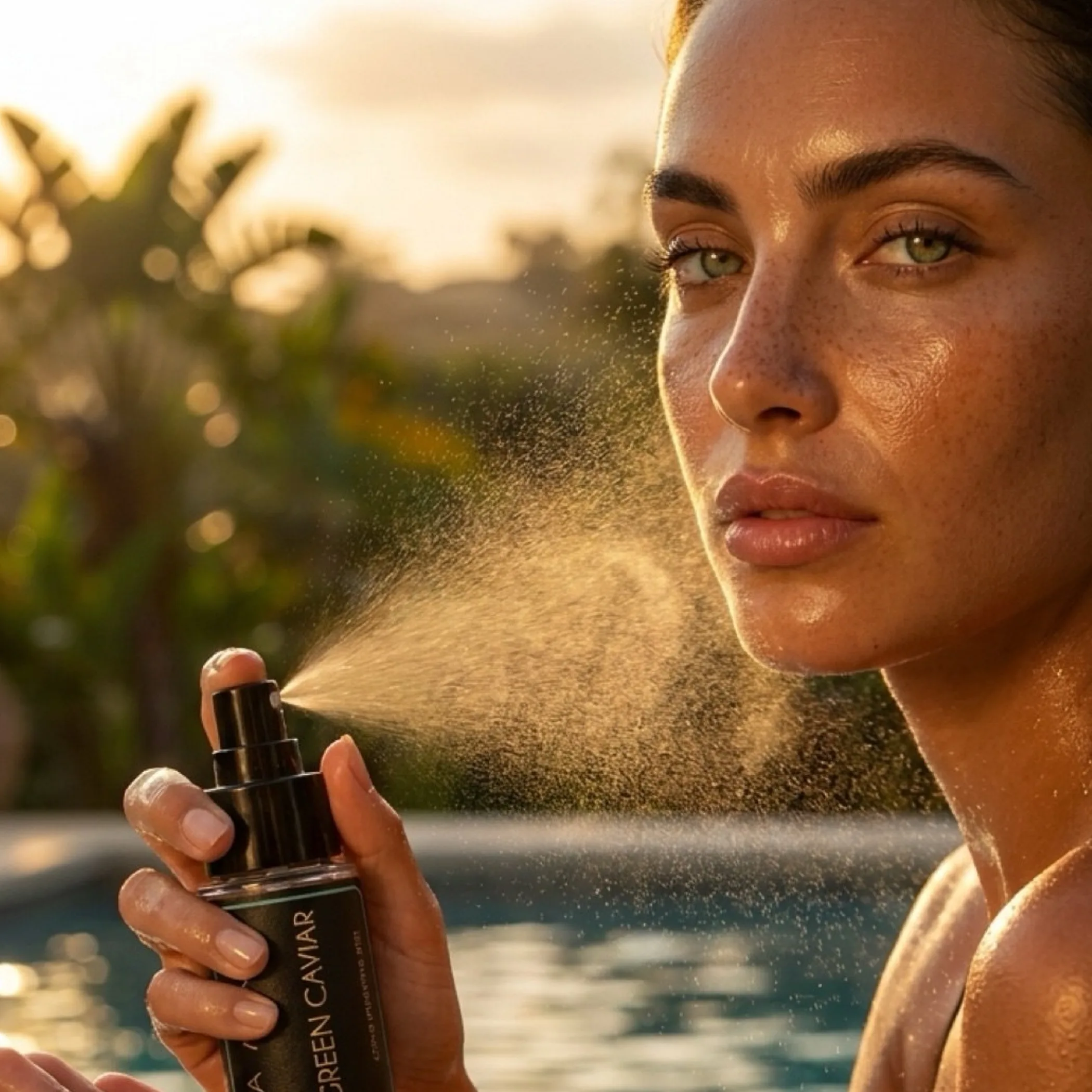
For the most part you have overdone something that seems like a good idea in theory. Harsh cleansers, actives in excess, hot water and not enough in the way of moisturising support are the usual suspects.
Here in Sydney the odd seasonal change will do it: a windy, sunny day followed by the air-conditioning indoors. Put a retinol and an acid toner into the mix after an enthusiastic wash down at the gym and many a face is left feeling cooked.
Then there are the triggers.
Introducing a number of new products, or a foamy, strong cleanser twice a day, or using a scrub with acids in an effort to get results. Even the natural variety can be an irritant if there is essential oils or fragrance in it. And in a climate as unyielding as ours, UV exposure will make a fragile barrier harder to settle. Sunscreen is therefore a must in any repair plan. What the trigger is and a better way to handle it
| Trigger | What It Does | Better Option |
| Hot water | Will only add to the dryness and irritation | Stick with lukewarm water |
| Harsh cleanser | Robbs the skin barrier of its oils | Opt for something mild or soap-free |
| Frequent exfoliation | Creates micro-irritation and delays healing | Put off exfoliation for the time being |
| Too many actives | Overloads already reactive skin | Pare back your routine |
| No sunscreen | Leaves healing skin exposed to UV stress | Make a habit of daily broad-spectrum sunscreen |
Repair Time
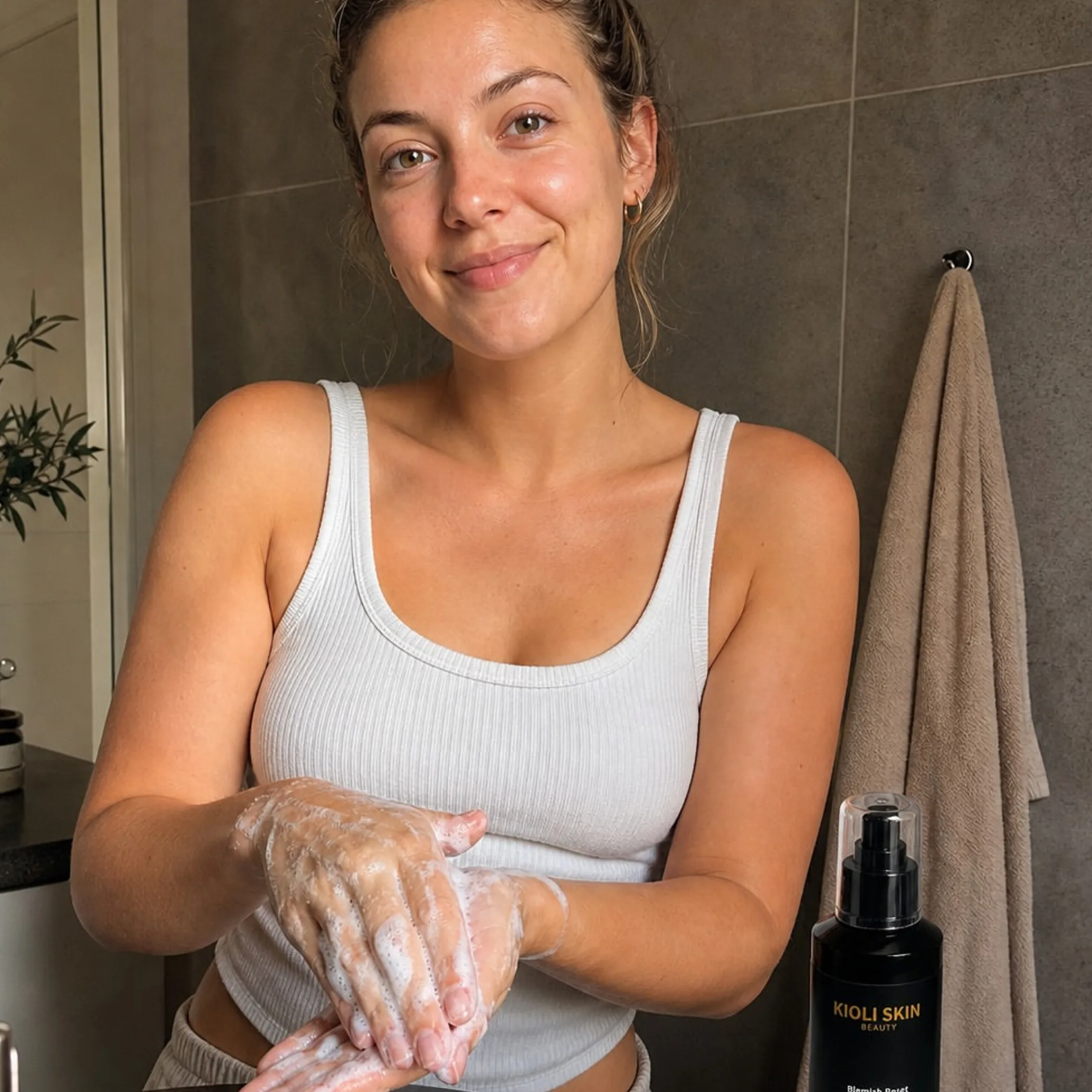
The length of time it takes to put the skin barrier right is a matter of how badly it has been compromised, how much you simplify your regimen and if you have put an end to the source of the trouble. In a mild instance you might see things turn around in as little as a few days or two weeks but facial skin that has been more thoroughly disrupted can be several weeks in the making or more. Do not expect an overnight recovery from the skin barrier even should the redness subside in short order. I have found the stinging to be the first thing to abate, with texture being the last to show any improvement, particularly about the nose, cheeks and mouth.
Reality check
It is easy to think a barrier cream will have everything sorted in 48 hours but the truth is consistency is what counts. To get at the root of damaged skin barrier problems you have to embrace the unexciting middle of the road: cleanse gently, put some moisturiser on damp skin and then leave it alone. Mountain Dermatology and other dermatology sources would concur with this more measured approach. The answer to fixing a damaged barrier in a hurry is seldom “faster products” and more often “fewer stressors”.
A morning routine to keep things calm
Do not put the skin barrier’s patience to the test in the morning. Make the routine practical, light on fragrance and brief enough to follow through with when you are running late or half awake. A full face wash is not called for if your face is tender; a lot of those with a disrupted barrier are fine with a splash of lukewarm water or the mildest of washes before applying hydration and sunscreen.
Helpful AM steps
Unless there is grease on the skin, a gentle cleanser or plain lukewarm water will do. Put on a hydrating layer like hyaluronic acid while the skin is still a bit damp, provided it is well tolerated, and then a ceramide, cholesterol and fatty acid based moisturiser. Sunscreen is non-negotiable each morning; the skin barrier is not in a position to contend with UV. pH balanced and free of strong scents are the way to go. CeraVe, First Aid Beauty and Paula’s Choice come up in conversations for their straightforward formulas but in the end the formula is what is important, not the label. You are after calm.
Putting the night routine in order

This is when the repair work gets done. It is the opportunity to curtail water loss and put in place some occlusion and hydration without piling on “treatment” because the bathroom light is on and it seems like a good idea. I have been guilty of spotting a dry spot and putting on acids, a retinoid and a sleeping mask as though patching up a road in the aftermath of a storm. The skin barrier was not having it.
PM steps
One gentle cleansing is sufficient, say after sunscreen or makeup. Moisturise on damp skin with a good barrier cream. For very dry faces a thin occlusive over the top can stem transepidermal water loss, if one can stand the weight of it. Now is also the time to put actives on ice; let the stinging and tightness go before you reach for the exfoliating acids, benzoyl peroxide or a gritty scrub. A skin barrier that is not being “treated” all the time will generally respond better.
Ingredients in support of the barrier
There are ingredients that will aid in restoring function but they have to be part of a routine your face can put up with. Better is better, not more. So if you find yourself at Priceline or Chemist Warehouse and the labels are a bit of an ambush, ignore the hype and look for the categories that support the barrier.
Ceramides and Cholesterol
You will want a moisturiser with these three – ceramides, cholesterol and fatty acids – to steadily mend any issues. Ceramides are particularly useful in replenishing the lipids of the outer skin layer. A simple formula serves you well here; a cream need not be anything fancy to see the skin barrier recover.
Niacinamide and HA
There is no harm in using niacinamide to put some support behind your barrier function and put a damper on any redness, provided you are not too heavy handed when the skin is reactive. A lower strength will be more agreeable. Then there is hyaluronic acid for hydration; put it on when the skin is a little damp and follow with a moisturiser to lock it in or you will find the barrier dry all the same.
People make the mistake of putting on a hydrating serum and leaving it at that. You need a good cream on top of it. Hydration and occlusion are meant to be a team.
Stop These Healing Delays

As much as knowing what to put on your face, you should know what to stay away from if you have a damaged barrier and want it to heal. It is not glamorous but it will save you time and money, and spare you some red-faced regret.
The thing that gets in the way of repair is not an absence of wonder products so much as a refusal to give up the habits that got you into this fix. Your barrier is not going to get better if you continue to pick at the scab, in every sense of the word.
For the time being put the actives aside: retinoids, AHAs and BHAs, benzoyl peroxide, strong vitamin C and scrubs.
Do not exfoliate until the stinging, flaking and easy flushing are a thing of the past.
Steer clear of hot water and long showers, over-cleansing and anything with fragrance that has a tendency to burn.
And do not put three “repair” products to the test simultaneously, one by one is the way to go.
Home Remedies
Think of home remedies for the skin barrier as a matter of good habits, not an experiment with what is in the pantry. Some useful things are to take a shorter shower with lukewarm water, use a humidifier in a very dry house and don’t be tempted to scrub. The stressed state of your skin barrier is not usually helped by slathering on kitchen ingredients.
If a natural remedy stings, forget it. Being natural is no guarantee of gentleness.
When To Get Help

You can deal with facial skin barrier trouble at home and be quite reasonable about it. But if the symptoms are bad, will not go away or are on the up, a word with a GP or dermatologist is better than guessing. This is particularly important if you have symptoms associated with eczema, rosacea, perioral dermatitis, an infection, or a reaction involving pain, weeping or swelling. The Victorian Government’s eczema guidance also recommends consulting a doctor or dermatologist for appropriate advice. A professional will let you know if it is simple irritation or calls for treatment.
Red Flags
A few weeks of a pared down routine and no sign of improvement? Or perhaps your skin is oozing, cracked, very swollen or has put on a sudden rash. In that case, or if everything you put on burns (the skin barrier may not be the sole problem), see someone about it.
The following is for general educational purposes and reflects the publicly available information at present. Product formulations and health advice are subject to change.
Quick Repair Snapshot
Make a note of this section. Most would do well with a sensible recovery plan rather than one with twelve steps, particularly before considering an eyebrow tattoo or planning its aftercare. When the skin barrier is in disarray, the priority is to simplify the routine. As for any “fix” that relies on hope, daily scrubs and a layering of acids, it is not for the beginner.
| Situation | Best Move | What To Skip |
| Mild tightness and dryness | Gentle cleanse, moisturiser, sunscreen | Exfoliating toner |
| Burning from products | Bland moisturiser, put actives on hold | Retinol and acids |
| Redness and flaking | Barrier cream containing ceramides | Physical scrubs |
| Very reactive skin | Minimal routine, patch test | New products in multiples |
| Weeks and no change | See a GP or dermatologist | Self-diagnosis |
A Word From Rhys

The internet would have you believe restoring the skin barrier on your face is something of an ordeal. It is not. Be gentle with your cleansing, put on your sunscreen and moisturise as you should, and leave your face alone with things it does not seem to like.
The irony is the skin barrier will often put itself right when you cease to try and outwit it. With a calmer approach and less in the way of heroic measures, it will tell you what it wants given enough time.
FAQ
The kind of questions that come up once the skin barrier has started to carry on.
How To Naturally Heal Face Skin Barrier?
Reduce the irritation, do not put homemade concoctions on it. A plain moisturiser, sunscreen and a cleanser with lukewarm water is the safest course. Let the barrier settle without the exfoliation, harsh soaps or over-washing.
How Long Does It Take To Restore Skin Barrier On Face?
Anything from a couple of days to two weeks for a mild case, longer if it is more severe. It is a question of how much damage has been done and whether you have taken the trigger away.
What Does A Damaged Face Barrier Look Like?
You will see redness, roughness, flaking and sensitivity, and feel the stinging and tightness. Sometimes it has a shine to it yet is dry, which is confusing to many.
What Can I Use To Repair My Facial Skin Barrier?
In the morning, sunscreen. Otherwise pH balanced products, a good cleanser and a moisturiser with cholesterol, fatty acids and ceramides. Niacinamide and hyaluronic acid can be of assistance if your skin will stand it.
Can I Use Actives Again After My Barrier Improves?
Reintroduce them at your leisure, one at a time. After the skin has been quiet for a week or two, put on an active on alternate nights and if the redness or stinging comes back, desist.
